


Osteochondrosis is a degenerative-dystrophic disease of the spine and surrounding tissues.The dystrophic process involves malnutrition and degeneration involves premature aging, changes in tissue structure and properties.The degenerative process is involutional, that is to say the natural aging process of the body.However, when exposed to various adverse factors, it accelerates, leading to the development of this disease.
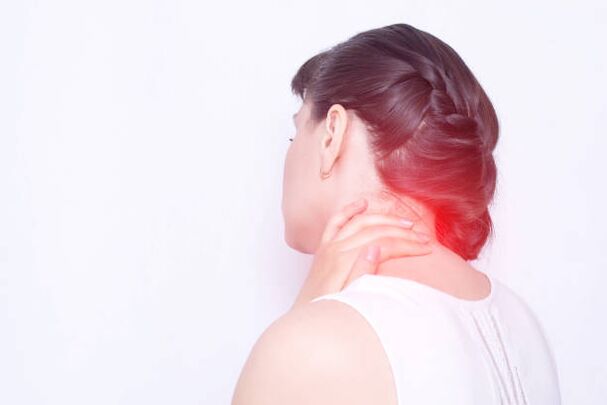
The relevance of osteochondrosis of the spine is due to the high frequency of its spread, especially in developed countries, affecting people of working age (30-60 years) with complete or partial loss of the ability to work, chronic course of the disease and progression of the disease in the absence of adequate treatment and prevention.
Reasons for the development of osteochondrosis
1. Excessive loads
Degenerative processes of intervertebral discs are considered as a discrepancy between their strength characteristics and the loads applied to them.Increased stress on the spine includes lifting weights, prolonged stay in the same position (sitting, standing), sudden movements, jumps from height, injuries, curvature of the spine, poor posture and excess body weight.
Due to excessive load, trauma to the spinal structures occurs.The intervertebral discs are particularly sensitive to overload, as they perform the function of shock absorption and, together with the facet joints, provide movement of the spine.
2. Malnutrition of the intervertebral disc
The intervertebral discs do not have their own blood vessels and are nourished by the diffusion of interstitial fluid from the surrounding tissues.The diffusion process is facilitated by the motor activity of the spine and surrounding muscles.
Therefore, prolonged restriction of spinal movements, sedentary work and physical inactivity are accompanied by a decrease in the trophism of the intervertebral disc and lead to the development of osteochondrosis.
3. Other factors
Hereditary predisposition, metabolic disorders, hormonal changes, somatic diseases.
Under the influence of these factors, blood circulation and metabolic processes in the spine are disrupted and hydration of the intervertebral disc decreases.In the annulus fibrosus of the disc, fibrous fibers disintegrate, microcracks and tears appear, which contribute to the migration of the nucleus pulposus and the formation of protrusion or herniation of the intervertebral disc.
The bulging disc irritates the sensitive nerve roots of the spinal nerves, causing pain in the back or along the nerve fibers involved.Reflex tensions and spasms of the surrounding muscles develop, which are also accompanied by pain, a feeling of stiffness in the back and limitation of movements.
Emerging changes in the surrounding tissues in the form of tension in the back muscles, functional blockages and irritation of nerve roots contribute to the aggravation of existing disorders of blood microcirculation and metabolic changes, provoking the formation of a closed pathological circle of development of spinal osteochondrosis.
Types of osteochondrosis
Depending on the location, osteochondrosis of the cervical, thoracic or lumbar spine is distinguished.When all services are involved, we speak of generalized osteochondrosis of the spine.
The lumbar region is most commonly affected, accounting for approximately half of all cases of osteochondrosis.This is because the lower parts of the spine experience a greater static load than other parts.
The second most common location is the cervical region.It represents approximately 1/4 of cases of osteochondrosis.This part of the spine most often suffers from the forced position of the head in one position - prolonged sitting at the computer, sedentary work, monotonous physical labor.
The development of osteochondrosis of the thoracic spine is associated with limited mobility in this segment, which is fixed by the costosternal frame.
Symptoms of spinal osteochondrosis
Symptoms of osteochondrosis are divided into two main groups:
Local symptomssuch as pain in the back or in a certain part of it: pain in the neck, in the lower back, between the shoulder blades.Local symptoms also include tension, stiffness of the back muscles, a feeling of heaviness and discomfort.
Long-term symptomsthe appearance of which is associated with the involvement in the process of the nervous or vascular system of the spine, responsible for the innervation and blood supply of certain structures of the body.
Osteochondrosis of the cervical spine is characterized by:pain in the neck, occipital region, shoulder girdle, collar area.The pain may radiate to the arm, shoulder, elbow joint or hand, accompanied by a feeling of numbness of the arm or "crawling" and limited mobility of the joints of the upper limb.
Vertebral artery syndrome often accompanies osteochondrosis of the spine in this section.It appears as a result of compression or spasm of the vertebral artery, which passes through the transverse processes of the cervical vertebrae and participates in the blood supply to the brain.Vertebral artery syndrome presents with a throbbing headache, head noises, and dizziness.
Osteochondrosis of the thoracic spinemanifests itself as pain between the shoulder blades, in the thoracic back, which can spread along the intercostal spaces in the form of intercostal neuralgia, to the front of the chest, simulating cardiac pain, in this case it is necessary to exclude the cardiac nature of the pain.
When the lower thoracic vertebrae are affected, the pain can move to the anterior abdominal wall, to the abdominal region, simulating diseases of the internal organs.
For osteochondrosis of the lumbar regionthe pain is localized in the lower back, in the buttocks, spreads along the leg and can be accompanied by a feeling of numbness, tingling, convulsive contractions of the leg muscles, their atrophy and dysfunction of the pelvic organs.
Osteochondrosis of the spine is characterized by chronic pain in the back, which can intensify at night, with prolonged sitting or standing, or after physical activity.
Diagnosis of osteochondrosis
The diagnosis of spinal osteochondrosis is based on the study of the patient's complaints, collection of the anamnesis of the disease, clinical, neurological and orthopedic examination of the patient.
If necessary, laboratory or instrumental diagnostic methods are prescribed, such as radiography, magnetic resonance imaging of the spine (MRI), computed tomography (CT), Dopplerography of the neck and intracranial vessels, electrocardiography.Detailed diagnosis is necessary to exclude more serious diseases of the spine, identify complications of osteochondrosis and select optimal treatment tactics for osteochondrosis.
Treatment of osteochondrosis of the spine
The Vertebrology Center offers comprehensive treatment of osteochondrosis of the spine.
To treat osteochondrosis, our center uses modern equipment and treatment methods, employing qualified specialists: a vertebrologist, an orthopedist-traumatologist, a neurologist, a chiropractor who will help you correctly diagnose a spinal disease and prescribe the necessary treatment procedures.
An individual treatment regimen is selected for each patient, depending on the stage of the disease, clinical manifestations of osteochondrosis, the presence of concomitant diseases and contraindications to treatment.
The center uses the following methods to treat osteochondrosis of the spine:
Drug treatment of osteochondrosisaimed at relieving exacerbation, influencing the pathogenetic mechanisms of the disease.
Back massage, spinal correctionallow you to normalize the tone and elasticity of the back muscles, improve blood supply, eliminate pinched nerve roots and restore mobility of the spinal movement segments.
Spinal tractionused when osteochondrosis is associated with disc protrusion and intervertebral herniation, in the presence of symptoms of nerve root compression.Traction is carried out under the supervision of the attending physician.
Therapeutic blockade- This is a local injection of a medication into the area of the pathological focus.With its help, you can achieve the maximum concentration of the drug in the desired area to achieve a therapeutic effect.For the treatment of osteochondrosis, paravertebral blockades are mainly used - the introduction of drugs into the tissues surrounding the vertebrae, near the intervertebral nerve roots.
Shock wave therapy- a new direction in the treatment of vertebral osteochondrosis and its complications.The method was initially developed in Switzerland for grinding stones in internal organs, but later proved to be very effective in the treatment of diseases of the musculoskeletal system.
In our center, the treatment of osteochondrosis is carried out using the American shock wave therapy device Pro-Adjuster, specially designed for the diagnosis and treatment of diseases of the spine and surrounding soft tissues.The device makes it possible to diagnose the state of tissue density and tension and then act on the modified areas.
To treat osteochondrosis, various physiotherapeutic procedures are used, such as: magnetotherapy, laser treatment, ultrasound, myostimulation, electrical procedures.
Prevention of osteochondrosis
As you know, the best method to treat a disease is its prevention.In order to prevent the development of osteochondrosis, issues of its prevention should begin to be addressed from early childhood.
Timely examinations by a pediatric orthopedist allow timely detection of postural disorders, deviations in physical development and correction of existing changes.From the first years of a child's life, it is necessary to engage in physical exercises, outdoor sports, games, monitor posture and avoid overloading the spine.
The main activities that help maintain a healthy spine include:
- A rational work and rest regime: avoid prolonged sitting, get up periodically, do back stretches, keep your back straight, monitor your posture, sleep on a semi-rigid bed;
- Elimination of spinal overloads: do not lift heavy objects, especially in a bent position, avoid falls and jumps from height, spinal injuries, monitor body weight;
- Systematic exercises for the back;
- Good nutrition;
- Quick diagnosis and elimination of pain and discomfort in the back.